



Supporting Youth Voices in Cambodia: Preserving Cultural Memory at Bophana Center
Supporting Youth Voices in Cambodia: Preserving Cultural Memory at Bophana Center
Supporting Youth Voices in Cambodia: Preserving Cultural Memory at Bophana Center
January 2026 - Present
Cambodia
Supporting Youth Voices in Cambodia: Preserving Cultural Memory at Bophana Center
Supporting Youth Voices in Cambodia: Preserving Cultural Memory at Bophana Center
January 2026 - Present
Cambodia
Supporting Youth Voices in Cambodia: Preserving Cultural Memory at Bophana Center
Cambodia’s history is rich, complex, and deeply marked by periods of conflict and trauma. The audiovisual memory that has survived, such as films, photographs, recordings, and personal testimonies, has done so against strong odds. Yet today, this memory faces a quieter but still urgent threat: physical deterioration of the materials, technological obsolescence, and the risk of being lost to future generations. At the same time, many young Cambodians are growing up at a distance from this history. Opportunities to meaningfully learn from it meaningfully remain uneven, particularly for those from rural, indigenous, and marginalised communities. This project begins from the idea that preserving memory and making space for young people’s voices are connected challenges.
From Archive to Living Resource
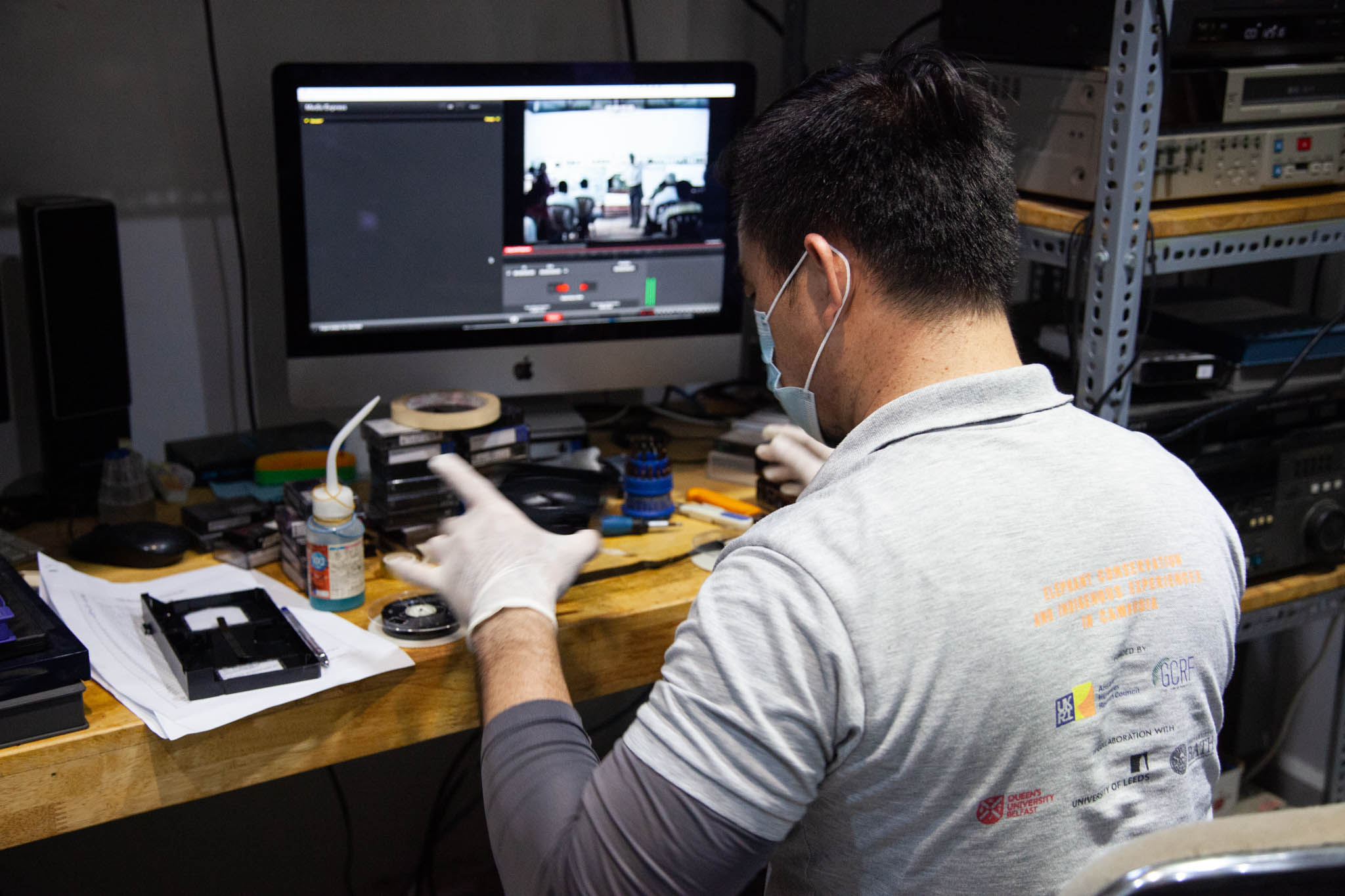
The Bophana Audiovisual Resource Center is Cambodia’s leading institution for audiovisual heritage. Over nearly two decades, Bophana Center has built an extensive archive spanning more than 150 years of Cambodian history, but an archive alone is not enough. This three-year project, entitled “Enhancing the Preservation of Audiovisual Memory and Youth Empowerment” seeks to transform that archive into a living resource that is well-preserved, accessible, and actively used by a new generation. The project is co-supported by France via Agence Française de Développement (AFD), the Henry Luce Foundation, Myriad U.S.A and Rei Foundation Limited. It will safeguard thousands of fragile materials - from VHS tapes and photographs to oral histories - through large-scale digitisation, restoration, and modernisation of archival systems. Improvements to the Center’s digital infrastructure will make these materials more accessible to researchers, students, and the public. Safeguarding here means not only protecting the past; it is also about ensuring that Cambodia’s cultural memory is accessible and used for current and future generations.
A New Generation of Storytellers
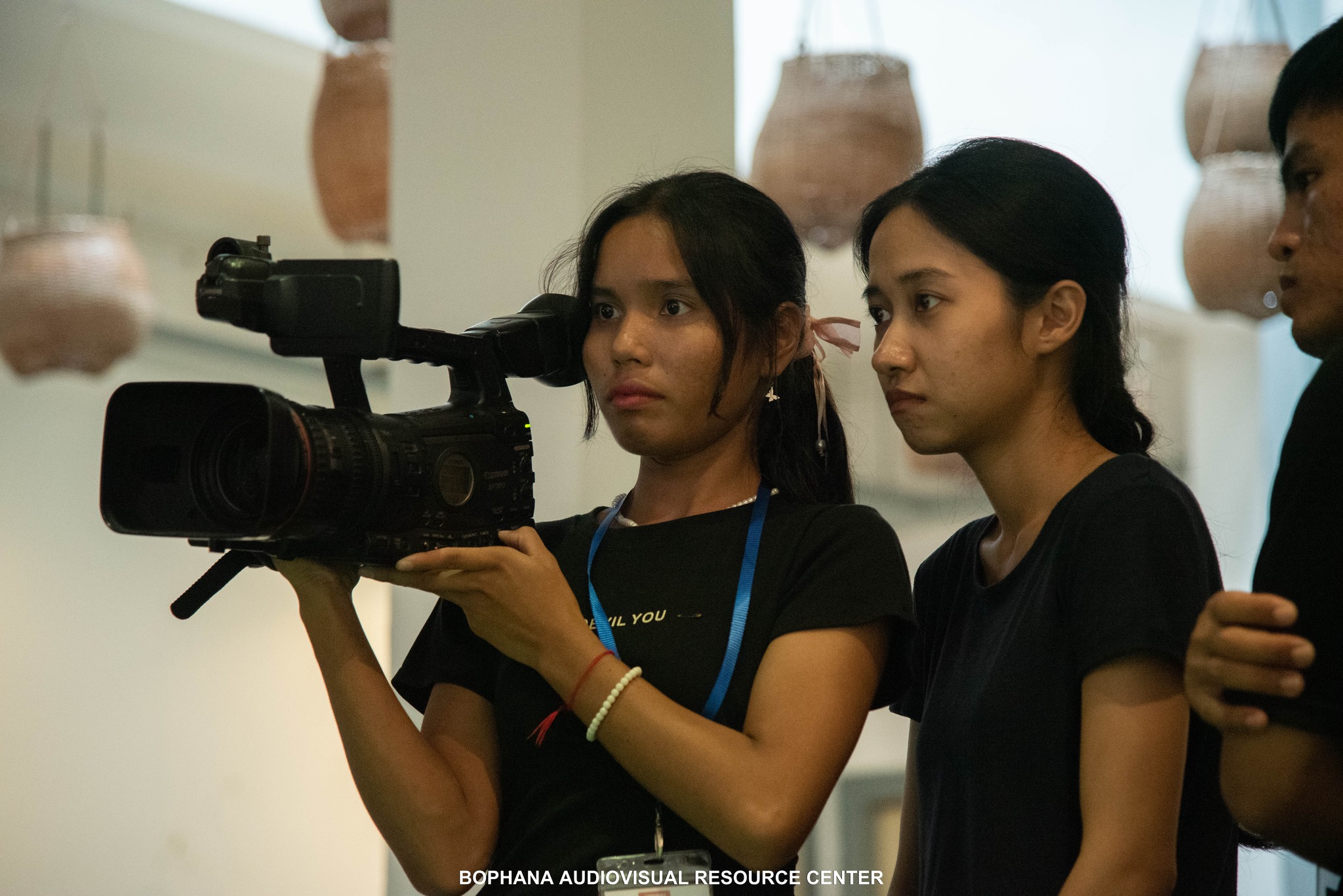
Alongside this safeguarding work, the project invests in people, particularly young Cambodians who have had limited access to creative and professional opportunities. Participants develop skills in documentary filmmaking, multimedia production, and digital archiving through structured training. These are practical, employable skills, as well as tools for expression. The programme prioritises inclusion. It supports young women, indigenous youth, and those from rural communities to take part, helping to broaden whose stories are told and whose perspectives are heard. Young people are encouraged to learn and create, producing original films and other media that explore cultural identity, social issues, and environmental challenges, and in doing so become active contributors to Cambodia’s cultural and civic life.
Connecting Generations Through Story
One of the project’s most powerful dimensions lies in its intergenerational approach. The programme trains young participants to work with older community members, including survivors of the Khmer Rouge era, to document personal histories and cultural knowledge. The result is documentation, but also intergenerational dialogue, as participants speak directly with the older community members. Through interviews, recordings, and shared storytelling, participants share knowledge across generations: younger Cambodians gain a deeper understanding of their country’s past, while older participants see their experiences recognised and preserved. Bophana Center then integrates these stories into their archive and shares them widely through films, exhibitions, and public events.
Bringing Stories Back to Society
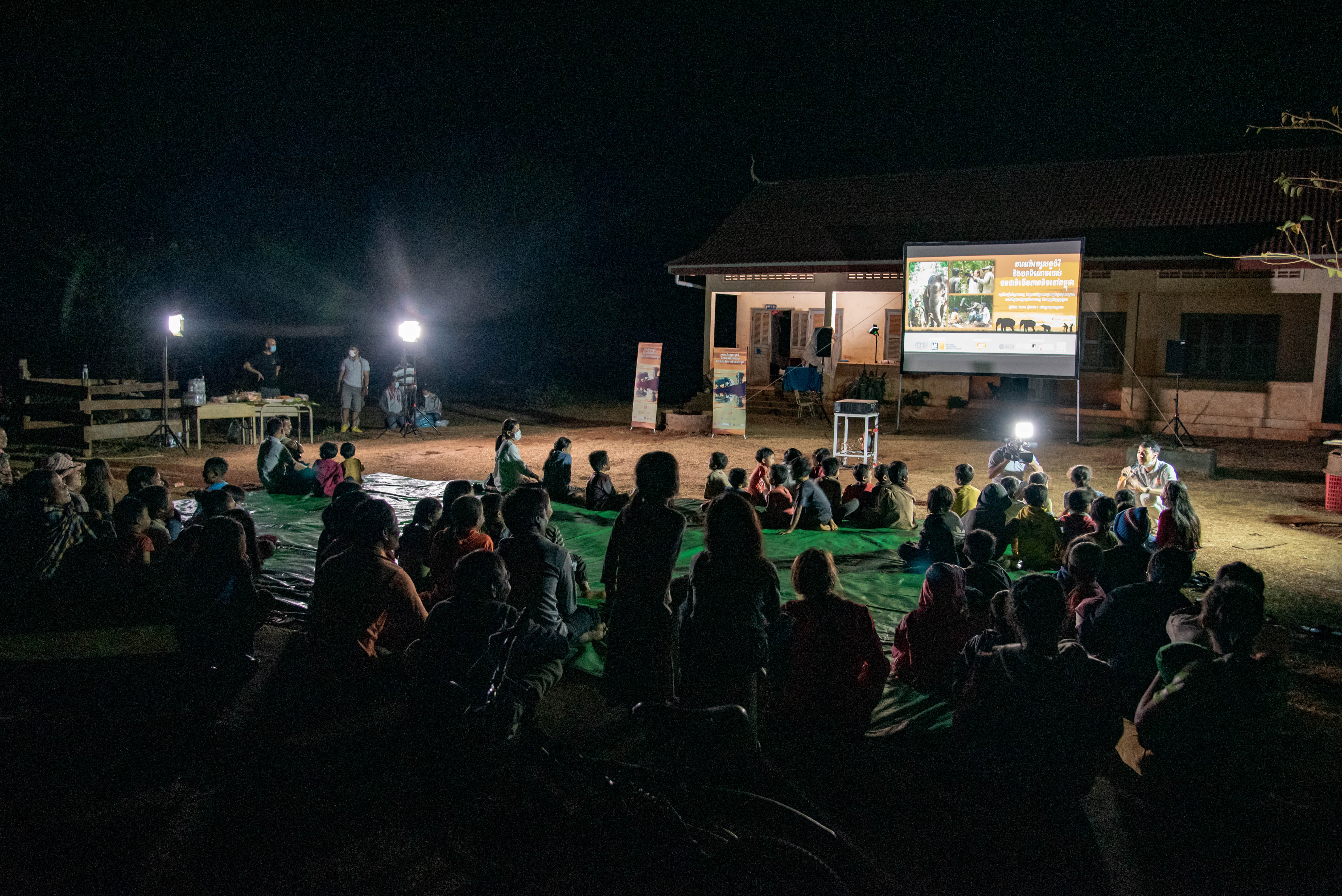
The project extends beyond the archives and the classroom into communities across Cambodia. Films and archival materials are brought directly to audiences through mobile cinema, public screening and cultural events, including in rural areas where access to such resources is limited. These events create spaces for discussion, reflection, and exchange, not just passive viewing. In total, the initiative will reach hundreds of thousands of people, giving them the chance to reflect on and discuss history, culture, and contemporary issues. By placing youth-created work at the centre of these programmes, the project ensures that young voices are heard as well as nurtured.
Rei Foundation’s vision
Rei Foundation Limited supports this project’s youth-focused components. This support means the project can offer training, mentorship, and opportunities for young people to develop and share their work. This contributes to a broader vision in which cultural heritage is not only preserved, but actively shaped by the next generation. When memory is safeguarded, shared, and reinterpreted, it becomes a foundation for the future, enabling new forms of creativity, strengthening social understanding, and creating space for dialogue in contexts where it is often limited. By linking heritage preservation with youth-led storytelling, this initiative does more than protect Cambodia’s past: it equips young people to engage with it, learn from it, and build upon it, contributing to a future shaped by voices that are more diverse, more informed, and more connected than ever before.
*In Cambodia, 'indigenous' refers to 24 specific groups who sustain distinct cultural identities, traditions, religion, and language, from those of the dominant Khmer culture. For more, see: https://www.ifad.org/documents/d/new-ifad.org/cambodia_ctn-pdf
Return to Projects