



Storytelling at Dzaleka
Storytelling at Dzaleka
Storytelling at Dzaleka
September 2018 - present
Malawi
Storytelling at Dzaleka
September 2018 - present
Malawi
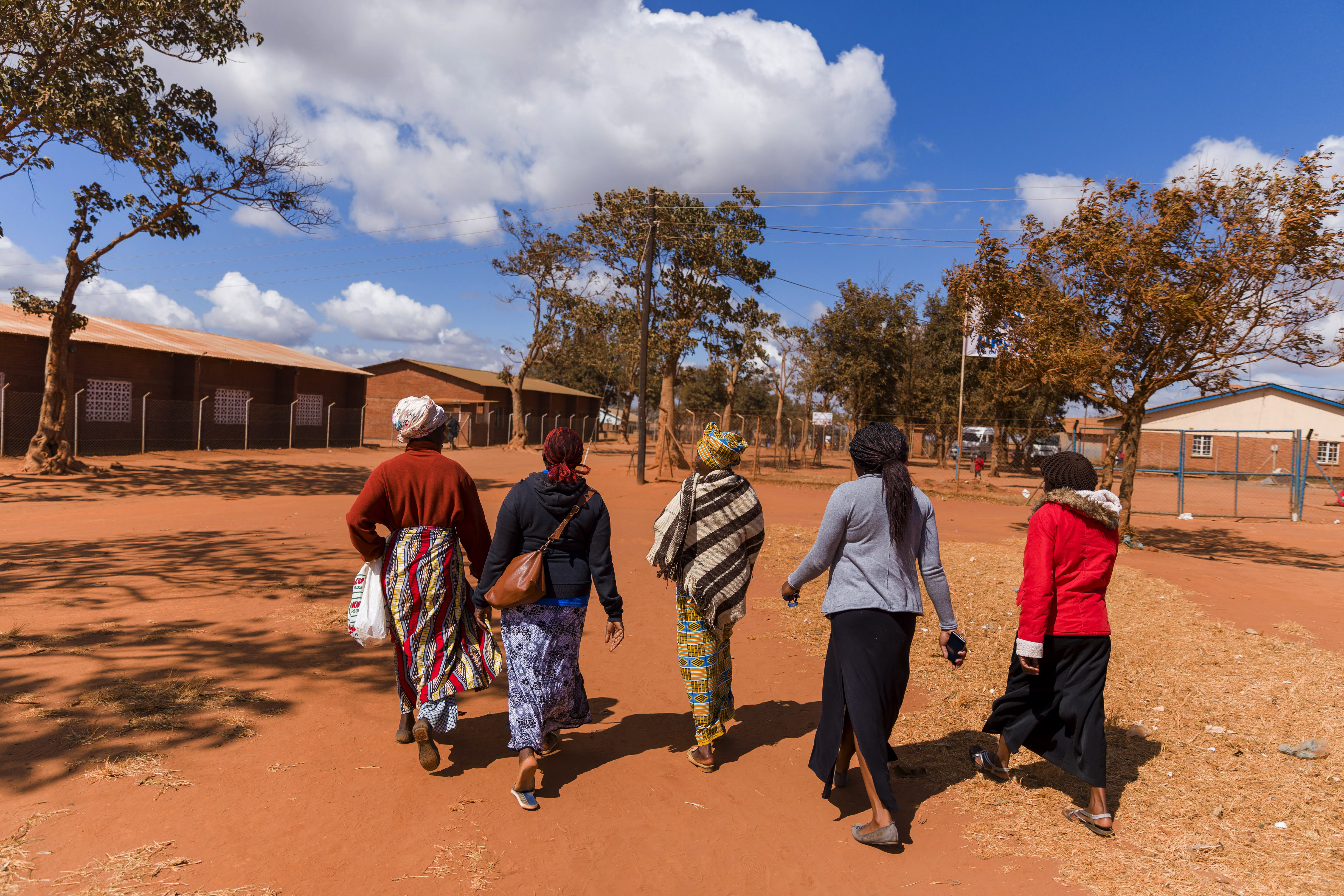
We each carry our culture wherever we go, but sometimes it needs a place or occasion to come alive. The Dzaleka Storytelling Project grew from this idea, a community project to reinforce the cultural identities of residents in Dzaleka Refugee Camp in Dowa, Malawi, by documenting and sharing traditional folktales from older generations to younger. Rei Foundation has partnered with local community arts organisation Tumaini Letu and the Malawi National Commission for UNESCO (MNCU) to develop this project, which reflects UNESCO’s focus on helping displaced communities keep traditional knowledge and stories alive.
Over forty participants were recruited from the camp and surrounding villages and trained in the skills needed to inventory, record, transcribe and perform traditional stories from people of different ethnic backgrounds living in Dzaleka camp. Interviewers went out into the camp to meet with elders, recording stories from several different cultural groups. These stories will be transcribed and added to the national inventory of folktales, preserving the intangible heritage of Dzaleka residents alongside that of their Malawian neighbours.

Return to Projects