



Meet Odala Balamu, Pabwalo's New Programme Manager
20 August 2026
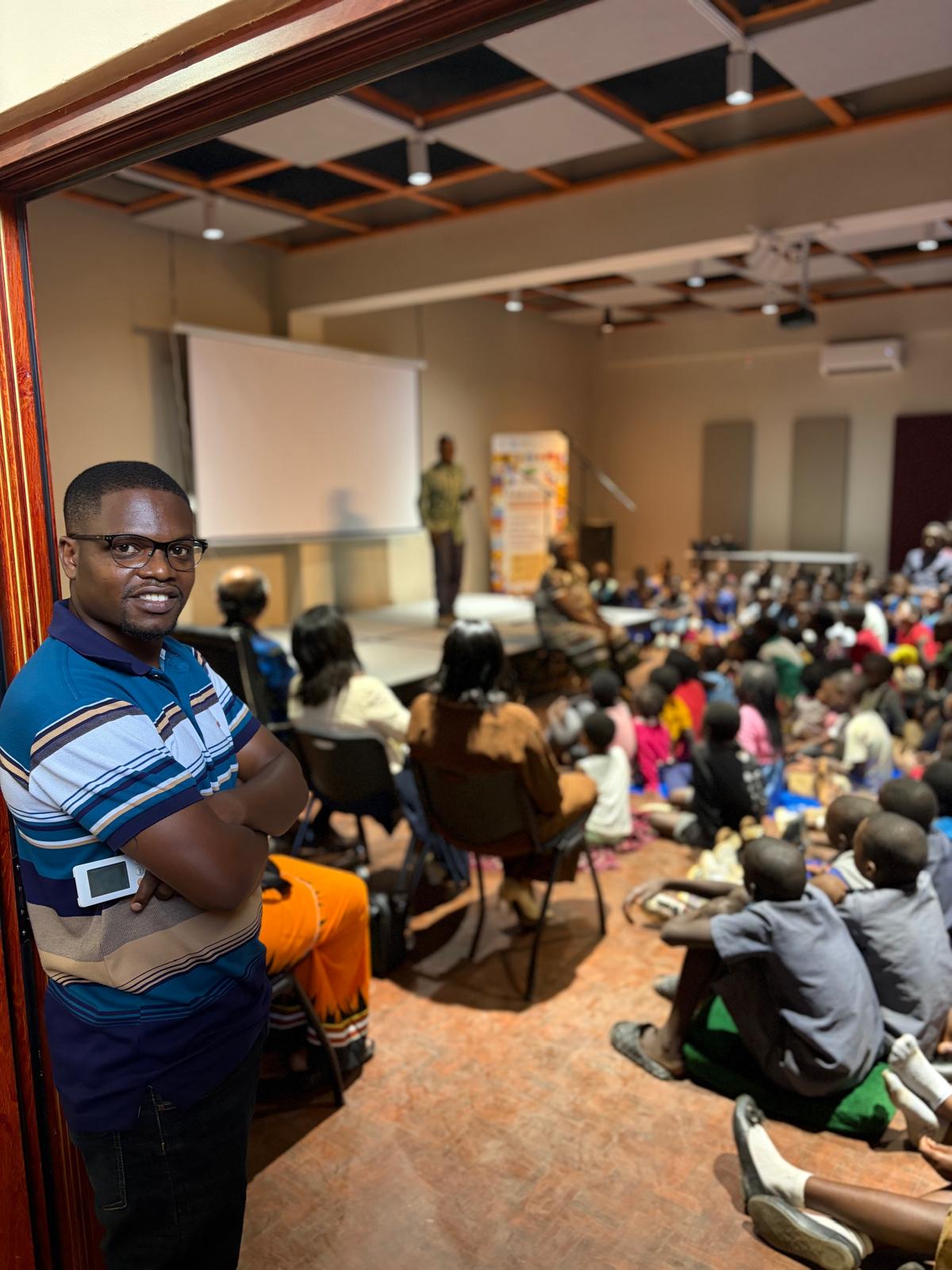
In May 2026, Odala Balamu joined Pabwalo as Programme Manager, bringing more than eight years of experience in Malawi's cultural and creative industries. As Pabwalo enters its first year of programming, Odala is helping to shape the partnerships and activities that will bring Lilongwe's new hub for knowledge, arts and heritage to life.
The Pabwalo Advisory Body brings together the National Library Service of Malawi (NLS), the Malawi National Commission for UNESCO (MNCU), Music Crossroads Malawi and Rei Foundation Limited (RFL). Together, they established Pabwalo at the NLS Lilongwe headquarters as an inclusive space where people can learn, create, share culture and encounter Malawi's heritage. Through performances, screenings, workshops, discussions and other public programmes, Pabwalo creates new ways for people to find inspiration and exchange ideas.
Odala’s connection to the work behind Pabwalo began before his appointment. In 2015 and 2016, while working as a videographer at Timveni Child and Youth Media Organisation, he was part of the team that filmed Nthawi ya Nthano, a television programme developed through the Folktales project. He later came to the National Library Service to film storytelling sessions, giving him early experience with the cultural heritage work that helped shape Pabwalo. Since then, Odala has worked across arts management, communications, media production and artist development. Before joining Pabwalo, he managed SULA Creative Hub, where he led professional development and business incubation programmes for artists. Through this work, he supported creative practitioners to strengthen their skills, expand their professional networks and build more sustainable creative careers.
For Odala, one of Pabwalo's greatest strengths is that it offers something Malawi's creative community has long needed: a dedicated space for artistic and cultural activity.
"What excites me most is that Pabwalo is a purpose-built space designed specifically for the creative community," he says. "For years, Malawian artists have had to make do with generic venues, incurring heavy costs to adapt unsupportive spaces for their performances. Pabwalo changes the narrative by offering a dedicated platform that uplifts our local culture and creative industries."
Odala plans to develop programmes that celebrate Malawi's cultural heritage while making room for contemporary creative expression, from music and dance to film screenings, storytelling sessions, festivals and collaborative workshops. He listens first to the artists and communities he works with, then shapes programmes around the challenges they face. Through this approach, he hopes Pabwalo will grow into more than a venue for cultural activity: a welcoming space where artists can connect, share their work and help bring Malawi's cultural traditions to new generations.
Visit the Pabwalo's Facebook page here.


Return to Journal